Image

How do you stay relevant as a brand when the world around you is changing beyond recognition? That was CM’s challenge.
With more than 4.5 million members, 3,000 employees and over 50,000 volunteers, CM has become one of the strongest brands in Flanders. More than seven in ten Flemish people mention CM unprompted. A brand with that kind of awareness and trust could almost seem untouchable.
But strong brands can’t afford to stand still. CM had already made the shift from health insurance fund to health fund a few years earlier. A logical move, because what people expect from a health organisation has fundamentally changed.
Today, health means far more than not being ill. It has become an ambition. Something people actively think about every day. We track our steps, our sleep and our stress, constantly measure ourselves against others, and get health advice at moments when we weren’t even looking for it. Nearly nine in ten millennial and Gen Z users on TikTok have already turned to it for advice on food or health.
So, the question to us was: what role can CM play in a world where health comes with ever more expectations and pressure? And how do we turn that role into a distinctive brand platform ready for the future?
Our starting point wasn’t CM. It was the pressure people feel around health today. Ambition creates expectations, and expectations create pressure. Fall behind, and it’s apparently no one’s fault but your own.
Our strategic insight was straightforward: health has shifted from a state to an obligation. And every obligation brings pressure. People aren’t after more advice. They want direction. Someone who helps without judging. That insight led us to reposition CM: not as a health fund, but as the brand that brings calm, clarity and trust to an increasingly complex world of health. A position that goes well beyond communications.
Through health consultants, prevention initiatives, a broad mental wellbeing offer, webinars and public campaigns, CM already plays an active role as a guide in health. Our job was to unite all of that under a single, coherent idea.


That idea became: Feel free to live. Three words. The first two are a permission. The third is an invitation. And together, they say something no one else in the health market is saying. They don’t tell you how to live. They say: live. And add just one thing: feel free to do so, because you’re not on your own.
‘Live’ is life as it actually happens. Not the optimised version. Sometimes full-on, sometimes on autopilot, usually somewhere in between. Life on your own terms, at your own pace, with your own choices. That’s where most people are. And that’s where CM stands.
‘Feel free’ doesn’t mean everything is fine. It means knowing you’re supported. By an organisation you trust, by a movement of thousands of volunteers and millions of members. ‘Feel free’ isn’t stillness. It’s the confidence of someone who knows their foundations are solid and can move more freely because of it. That’s the double meaning.
The most powerful thing about those three words is what follows them. Feel free to live isn’t a slogan. It’s the start of a sentence. One that everyone can finish in their own way.
Feel free to live all out.
Feel free to live slower.
Feel free to live at your own pace.
Feel free to live for someone else.
Feel free to live until the very last day.
And also: feel free to live with the occasional craving for a cigarette. Feel free to live out 24 hours in a hospital bed you never want to find yourself in again. Feel free to live with a little one who was wanted but absolutely not planned.
That last one is the test. Feel free to live only works if it holds up on the difficult side too. If it doesn’t judge how you live but shows up regardless. That’s why the platform has room for humour. And why the same line works equally well beneath a letter about palliative care as on a festival poster.

The brand platform called for an equally simple visual translation. We built an identity where copy takes centre stage. Everything revolves around one powerful idea: Feel free to live. Because words are the brand’s most important asset here, we also developed a bespoke typeface.
A brand that puts its words front and centre can’t afford to set them in a font anyone else can buy. The proprietary typeface makes every line instantly recognisable as CM, building recognition with every single execution. Combined with distinctive copy structures, the result is a system that reads as CM even without a logo.
Alongside the visual identity, we developed a bespoke underscore and retuned the sound logo to carry the new brand promise. This way, Feel free to live got its own language, look and sound.
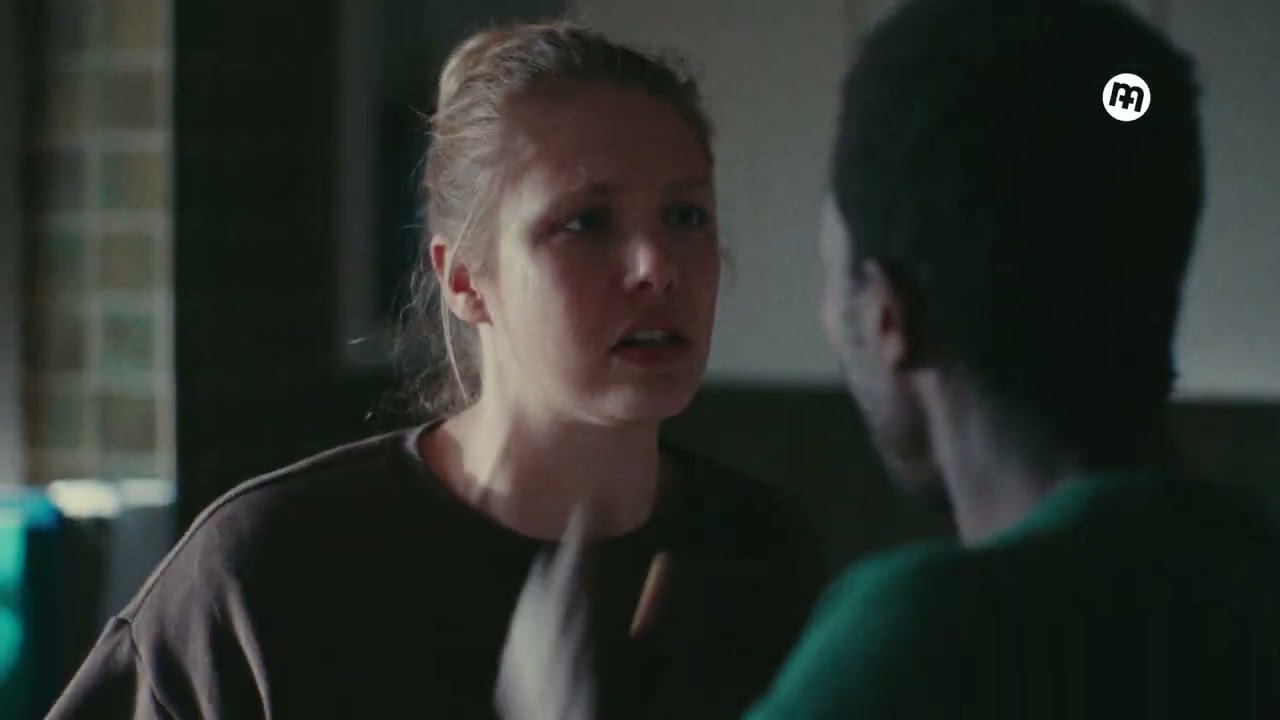
We told the story through a vignette film. But not in the way most brands do it. No dressed sets. No extras performing the perfect family.
We filmed real people in their own surroundings, living life their own way. That wasn’t an aesthetic decision. It was a strategic one.
The platform’s central insight is that health feels like a standard to live up to. It would be self-defeating for a brand built on that insight to then go and show a polished, picture-perfect version of life.
The film had to show life as it is. Honest, unscripted and free from the pressure the platform sets out to counter. Because ultimately, all CM wants for you is that you feel free to live. Whatever that looks like for you.
The campaign is supported by radio and an extensive social media programme.
With Feel free to live, CM has a brand platform that positions the organisation not as a care provider, but as a relevant guide in a world where health is growing ever more complex.
A platform that spans prevention, wellbeing, care and social issues. That shapes communications, services and public positions alike. And that gives CM a natural presence at every moment health touches people’s lives.


