Image

With over 100 million viewers, the Super Bowl is the biggest sporting moment in the US. For marketers, though, it’s first and foremost the ultimate advertising stage, where market leaders and challengers battle it out for the most memorable ad. The commercials are discussed, ranked and shared far beyond the ad world.
We hosted our own Super Bowl screening. With hotdogs, good company and a hefty dose of ads. Below are the ones that stayed with us and what we took away from them.
A 30-second ad costs somewhere between 8 and 10 million dollars. It’s one of the most expensive ad slots in existence. An absurd amount of money for half a minute of airtime. But it buys something that has become almost priceless: guaranteed attention. In a media landscape where people scroll away and block ads, the Super Bowl is one of the few moments where you know your audience is watching.
And that attention doesn’t end with the game. Many ads start circulating on social media long before kick-off, are discussed live during the match and get a second wave afterwards. For major US advertisers, it’s often only a fraction of their annual budget. With reach and impact that very few other moments can match, it’s a defensible investment for players at that scale.
Celebrities are almost a standard ingredient in Super Bowl ads. They grab attention and they really work when the celebrity genuinely fits the brand and the story. We also see them return within a consistent brand platform more and more often. For Uber Eats, Matthew McConaughey has almost become a brand code. The same goes for Ben Affleck and Dunkin’ Donuts, now in their fourth year of working together.
But brand cues that are truly your own often do more for recognition. In The Creative Dividend, System1 showed that fluent device characters (a recurring character, animal, object or symbol) and sonic devices (a distinctive sound or melody) outperform celebrities when it comes to brand recognition. So don’t just invest in borrowed fame but also create your own brand codes you can build on.
Budweiser understands this better than most. In American Icons, we see an unlikely friendship between two animals: a bald eagle and a Clydesdale horse, the Budweiser icon. That Clydesdale has been a brand asset for years, driving recognition and emotional connection without a single celebrity needing to appear on screen.

For brands that can afford the Super Bowl, it’s a unique chance to be massively visible. But without brand recognition, that money is wasted. Many ads this year were clever, emotional or funny, but not clearly attributable to the right brand. A missed opportunity.
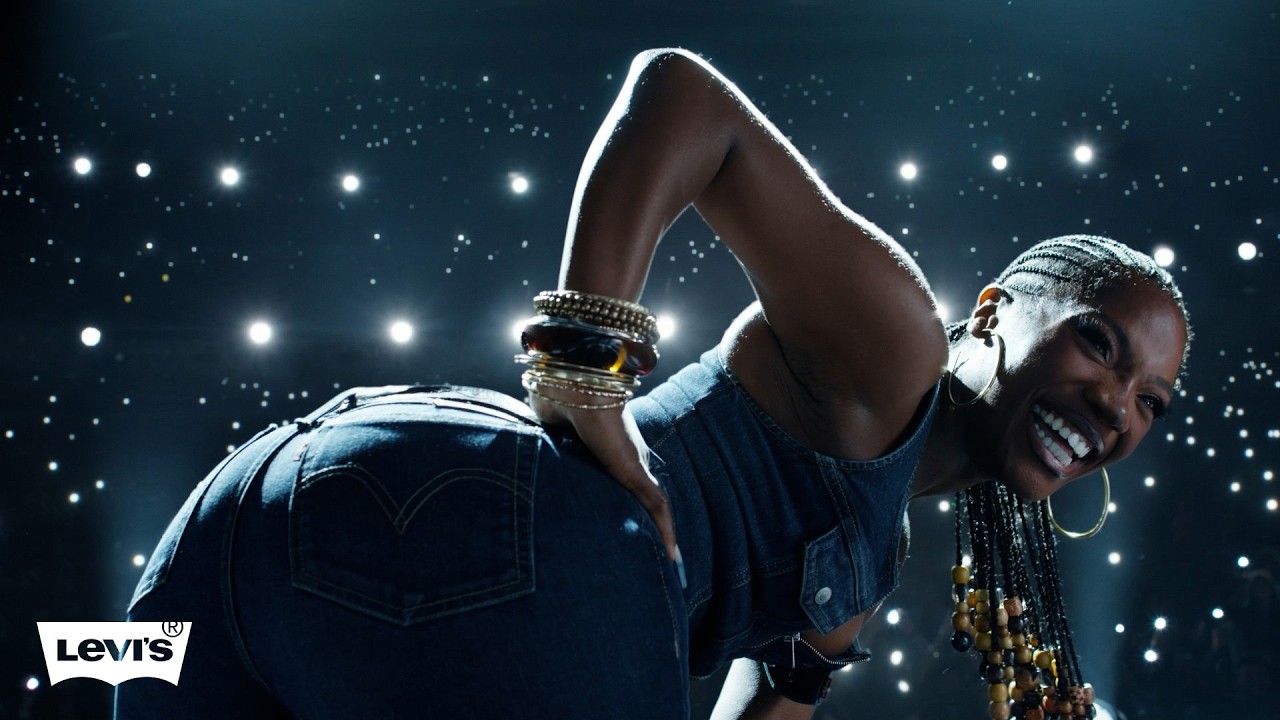
Levi’s tackled brand recognition very literally with Backstory. The ad shows iconic Originals moments: people who made history in their Levi’s. Every character is filmed from behind, so the Red Tab is front and centre as a brand code. The celebrity isn’t the star here, the brand is. Smart, distinctive and unmistakably Levi’s.
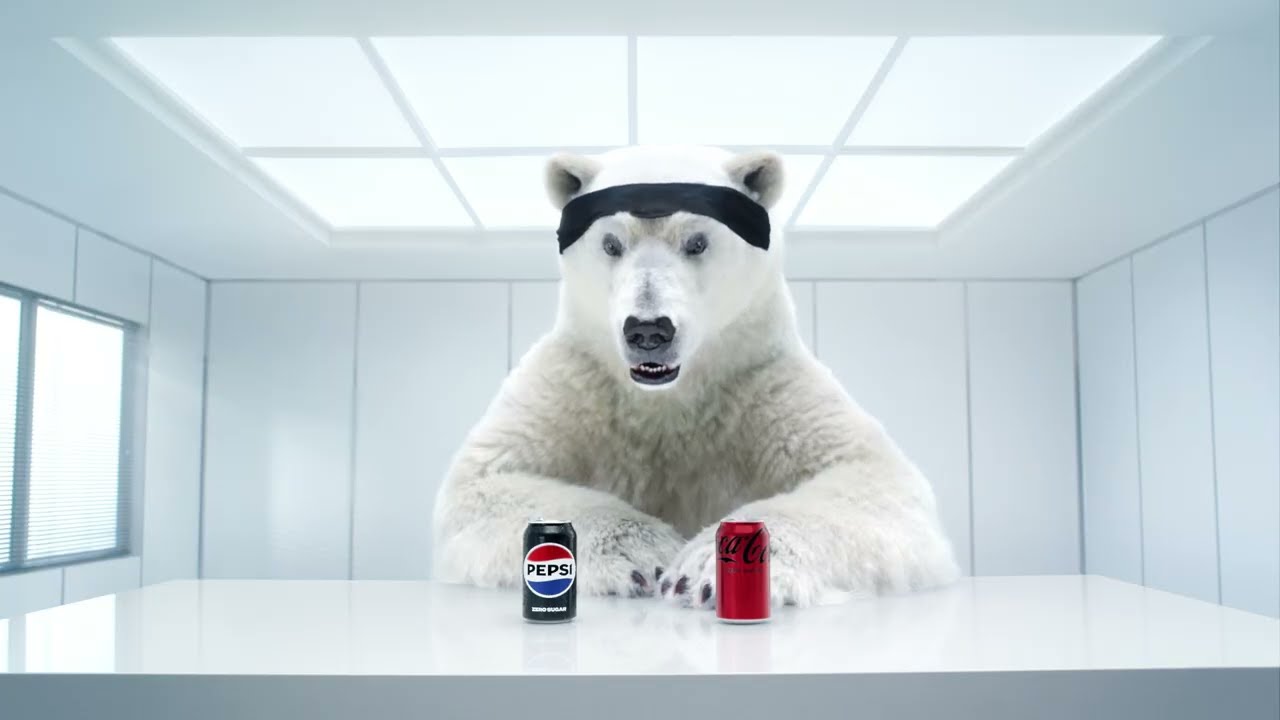
When it comes to brand recognition, Pepsi can’t be ignored either. Their ad sparked plenty of debate by using Coca-Cola’s iconic polar bear and sending him to therapy after he realises he actually prefers Pepsi Max over Coca-Cola Zero. Critics argue that using the polar bear mainly reinforces memory structures for Coca-Cola and contributes little to Pepsi’s own brand equity. Others are more nuanced: distinctiveness still matters hugely, but impact also depends on creativity, emotion and cultural relevance. And because Pepsi also uses enough of its own brand codes, the ad can still build recognition for Pepsi.
The temptation to do something completely new every year is huge. Many campaigns are one-off stunts with no follow-up. Think of Fanatics Sportsbook with Kendall Jenner embracing the Kardashian Kurse. Fun once, but what about the long term?
Advertising works best when it builds and reinforces memory structures. Strong brands do that by consistently investing in the same underlying story. The real winners are the brands that don’t start from scratch every year but refresh and deepen their platform over time.
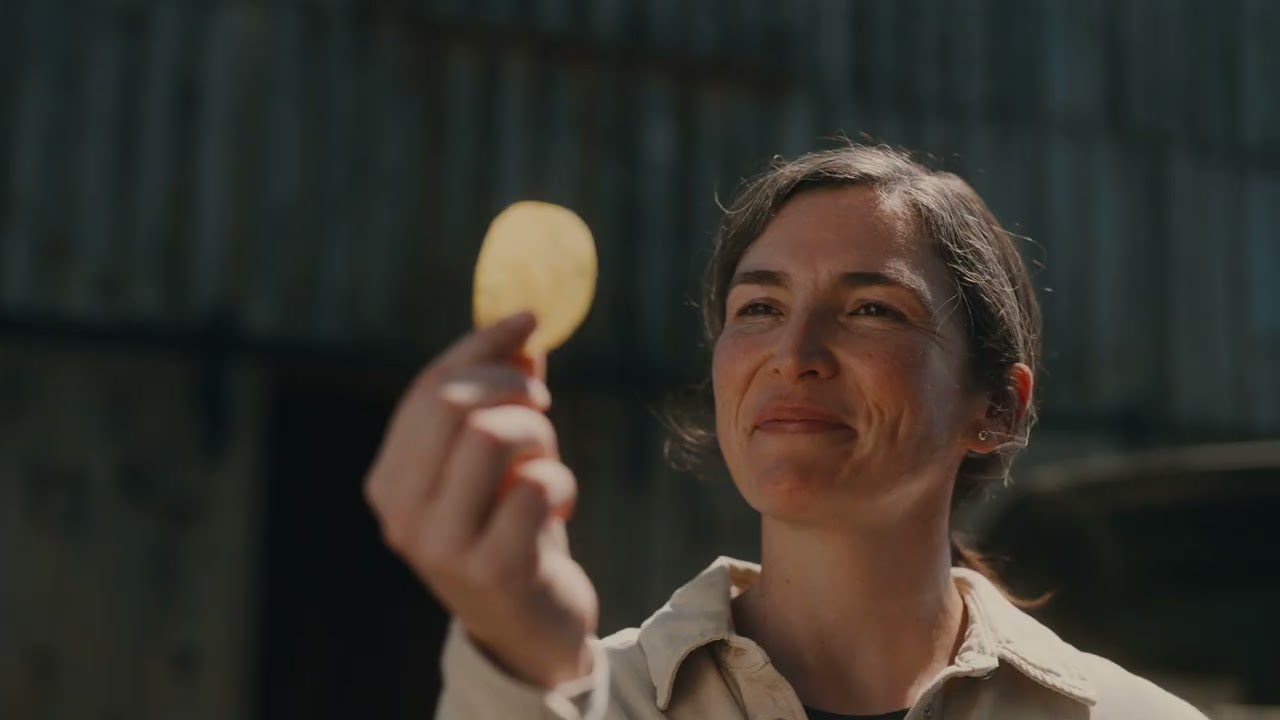
Lay’s shows how that works with The Last Harvest. The ad continues their brand world by putting the farmers behind their product centre stage. It fits the existing platform but gets a fresh new execution. And in a year where many Super Bowl ads leaned heavily into comedy, an emotional story about a father handing over his farm to his daughter stands out all the more.
One thing really stood out this year: around one in five Super Bowl commercials was about AI or came from an AI company. These are often new players in still-shifting categories. They have to explain what they do, be distinctive and build their brand all at once. In other words: too many jobs for a single ad. You can tell that many of these commercials don’t connect as well with audiences as those from brands that have been building brand equity for years.
The best Super Bowl ads understand how people really work: our decisions are strongly driven by emotion. They activate our so-called System 1 thinking: the fast, intuitive part of the brain that steers feelings and choices. That system processes emotional stories far more easily than rational arguments. Think of visuals that unfold gradually, characters with real personality and dialogue between people that instantly resonates.
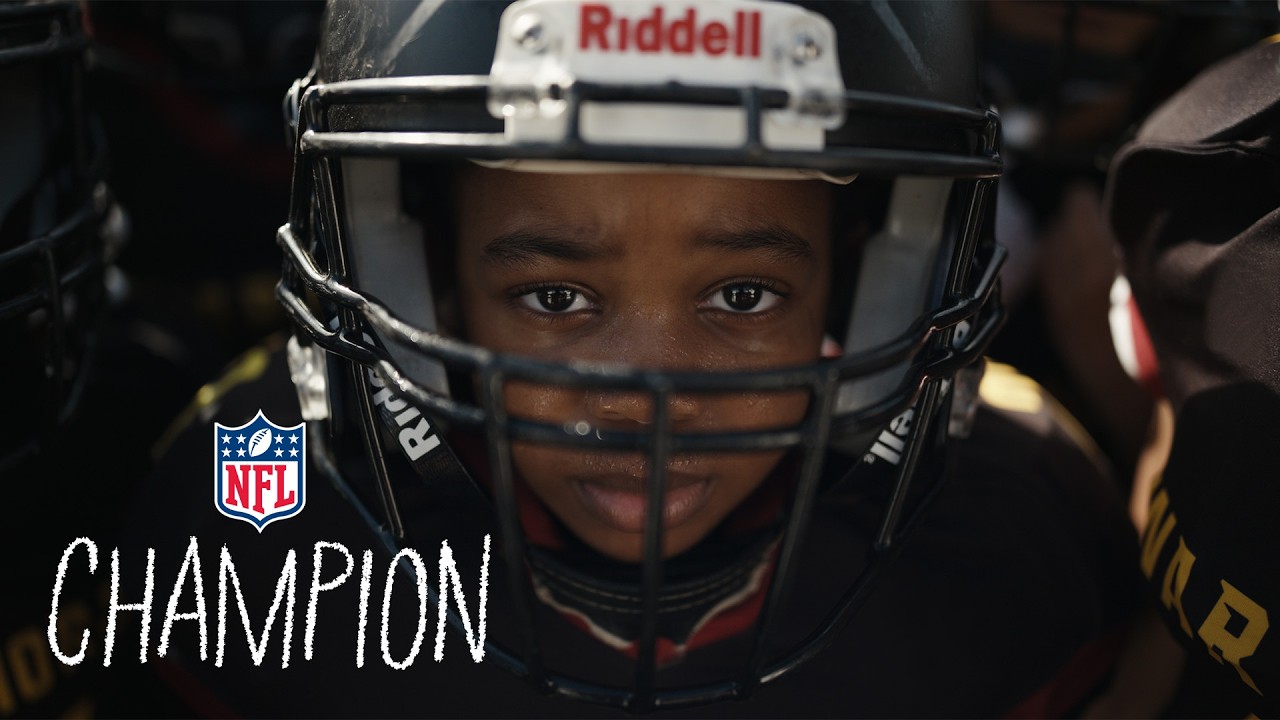
The NFL applies this masterfully in Champion. No celebrities, no players, just youth coaches at the heart of the story. A child repeats the words of his coach, and you see the impact they have. On the field and far beyond it.
If you’re going to spend millions on a Super Bowl ad, make it more than a pretty one-off. Put your brand story at the centre, not just the celebrity. Build on what you already have instead of telling a completely new story every year. And tell stories that make people feel something.
P.S. If your Belgian company happens to have 10 million dollars lying around for a Super Bowl ad (and a convincing explanation ready for your CFO), we’d be more than happy to help.


