Video file
Services
We live in a VUCA (Volatility, Uncertainty, Complexity & Ambiguity) world and face daily challenges such as climate change and wars. So in these uncertain times, we often look back to the past with a smile, when life seemed rosier and simpler. This yearning for nostalgia is not only recognizable for many, but is especially interesting for marketers.
According to the "nostalgic" Van Dale, nos-tal-gie (de; v) 1 means homesickness: nostalgia for the good, old days. Nostalgia allows us to look back at beautiful moments. Moreover, it helps shape our identity and helps us understand and strengthen our place in the world.
In a world full of change, nostalgia is a constant. In times of uncertainty, it is even at its best. For example, mentions of search terms related to nostalgia or memories of the past increased from about 13 million to 24.4 million (+ 88%) in March 2020, the beginning of the coronapandemic.
In this article, we highlight three trends that can be considered a response to this rapidly evolving and uncertain (VUCA) reality. In each of these trends, we see nostalgic components recurring. Finally, we would like to highlight some examples and give tips on how nostalgia can be part of your marketing strategy.
Nostalgia and escapism go hand in hand. If you open TikTok or Instagram, you'll be inundated with stories of people escaping the daily grind to explore new horizons. Think of the #vanlife movement, where free birds travel the world in their back-to-basic vans.
But we are also seeing a less literal flight, that of technology. Imec' s Digimeter indicates that 44% of smartphone users in Flanders think they spend too much time on their device. 80% also impose rules on themselves or their environment to keep that screen time under control.
To address this, apps are being developed, such as Forest. These encourage the growth of (virtual) trees when you are not using your smartphone. Moreover, activities where smartphones are banned are becoming increasingly popular. Heineken and Bodega also created together the Boring Phone, a nostalgic flip phone, with the message, "There's more to social life when there's less on your phone."

In addition to escapism, slow movement is also an expression of nostalgia. 73% of people say they want to slow down the pace of life. They want to breathe, enjoy the moment and experience the peace they used to know. Slow movement, then, sets itself against the fast pace of the world around us. Slower methods of the past, such as slow cooking and slow coffee, are coming back to be enjoyed to the fullest again.
Nostalgic brands use symbols, products, images and music that have a long history to highlight their authentic image. And let authenticity be precisely the weakness of today's consumers such as millennials and Gen Z'ers. It boosts their confidence and leads to conversion.
Consumers are increasingly returning to products of the past, such as vinyl records and disposable cameras. Brands are capitalizing on this with nostalgia marketing: they are using feelings of nostalgia to create an emotional connection with consumers.
For example, IKEA is re-releasing classics from the 1980s. Bratz dolls and Furby's from the early 2000s are also making a comeback. In the fashion world, Y2K fashion, with Von Dutch caps and Juicy Couture jogging suits, is back on the scene. Barbie and Topgun reappeared on the silver screen, albeit with a modern twist. All of these brands playfully inspire trust, leading to customer engagement and loyalty.
Not only products, but also logos and icons are brought out from under the dust. Think of the logo of Burger King or Pepsi. Some brands go a step further and build their entire brand around nostalgia, such as the soft drink brand Ritchie.

Nostalgia is often evoked by a sensory experience, such as an image, a song, a taste or a smell. By using these emotions effectively, marketers can develop campaigns that strike a sensitive chord with audiences.
A good example is KFC's "Chicken Town" campaign. It evoked nostalgia through the use of the famous Colonel mascot combined with the familiar music from The Godfather. This campaign eventually won them a Golden Effie.
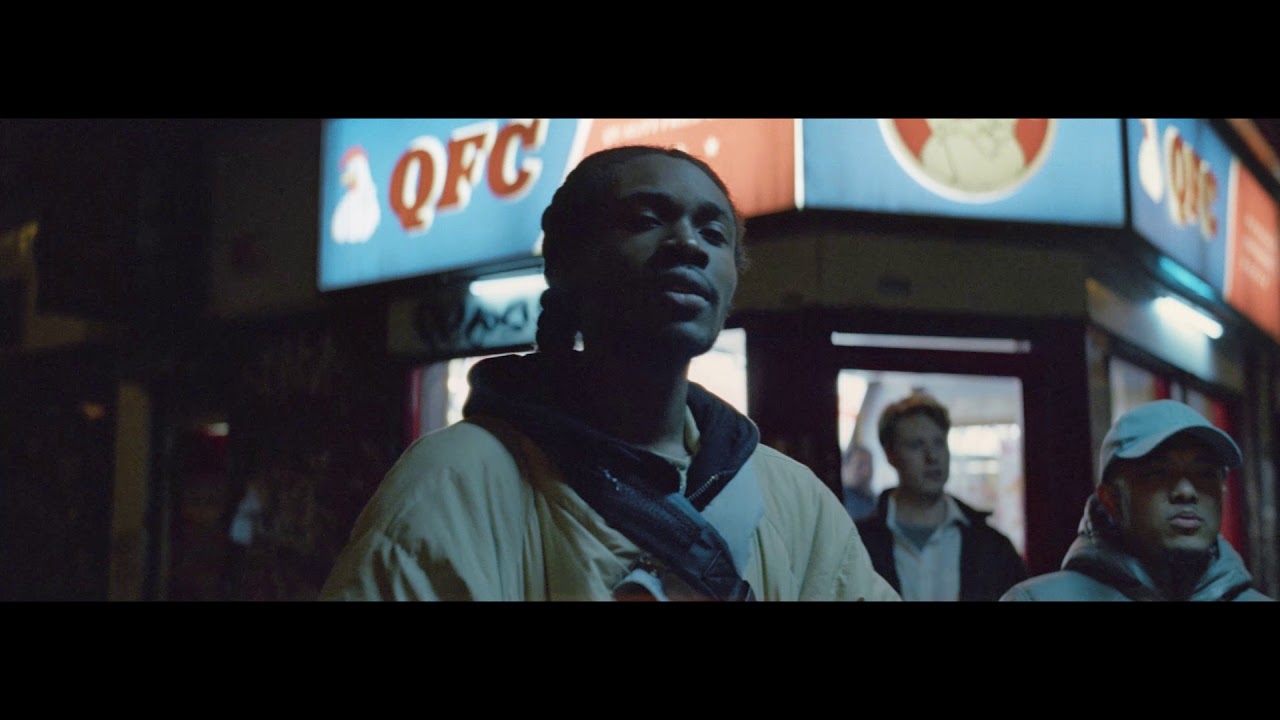
Nostalgia creates a sense of connection, as seen in statements like "Only 90s kids will understand." Brands can cleverly capitalize on this by using their history to tell a story that lets customers travel through time together.
Using a brand's history and heritage increases brand attention from ads by 8%. Kantar shows that ads with a nostalgic touch are as much as 13 points more likely to go viral than ads without nostalgia. Remarkably, however, only 1% of all digital ads use nostalgia.
As a brand, you can ride the wave of nostalgia by evoking memories of special places or events in consumers' lives. But if you're not careful, its power can also turn against you. For example, Robert Kennedy Jr. reused his uncle's 1960 TV spot during the 2024 Super Bowl without asking permission. This led to controversy in the Kennedy family and even a complaint.
So consider before you begin. Tell stories, show images or organize activities that remind consumers of the past. You can also dust off and reuse products, services or campaigns from the past.
Also, don't forget to look to the future. Show how your brand is evolving and innovating, while still sticking to the elements that people used to like. An example of this is the widely known Volkswagen van that the car brand transformed into the ID. Buzz. By electrifying the beloved model, they brought it into the present.
Marketing strategies with these kinds of nostalgic traits help build a strong bond with your customers. They create a familiar feeling and make them look forward to what's next.


