Image

Younger generations grow up surrounded by advertising. They scroll, skip and filter their way through an endless stream of ads, content and brand messaging. So, if you want to reach them, you need to adopt a different logic. One that doesn’t start from your brand, but from their world.
The real question today isn’t how a brand can demand more attention. It’s how you show up credibly in the attention that already exists. With clients like Accountants van Morgen (Accountants of Tomorrow) and Wibra, we see what that actually takes, every single day.
Cambridge Dictionary named parasocial its word of the year in 2025. The term refers to the one-sided bond people feel with a celebrity, influencer, fictional character or even an AI. It may sound like a buzzword, but it reveals something fundamental about how connection works today.
Gen Z and Gen Alpha can feel closely connected to creators they’ve never met. They follow them intensely, talk about them as if they know them, and take their recommendations seriously. That isn’t a shallow trend. It’s a logical outcome of the environment they’re growing up in.
Gen Z spends an average of 109 days a year in front of a screen — almost as much as they spend sleeping —, while time with friends and in-person social interactions are under pressure. In many ways, the smartphone has partly replaced our friends. Yet being ‘connected’ doesn’t automatically mean feeling connected. So, young people go online looking for what comes closest: people. Social contact is a basic need. When it’s lacking in everyday life, the pull of creators grows stronger.
You see it on every platform. TikTok runs on faces, stories and personalities. YouTube is dominated by creators who feel close and build a relationship with their audience. Even on Instagram, we respond faster to human presence than to perfectly styled brand imagery. The algorithm is the most honest mirror of what we want — and we crave people.

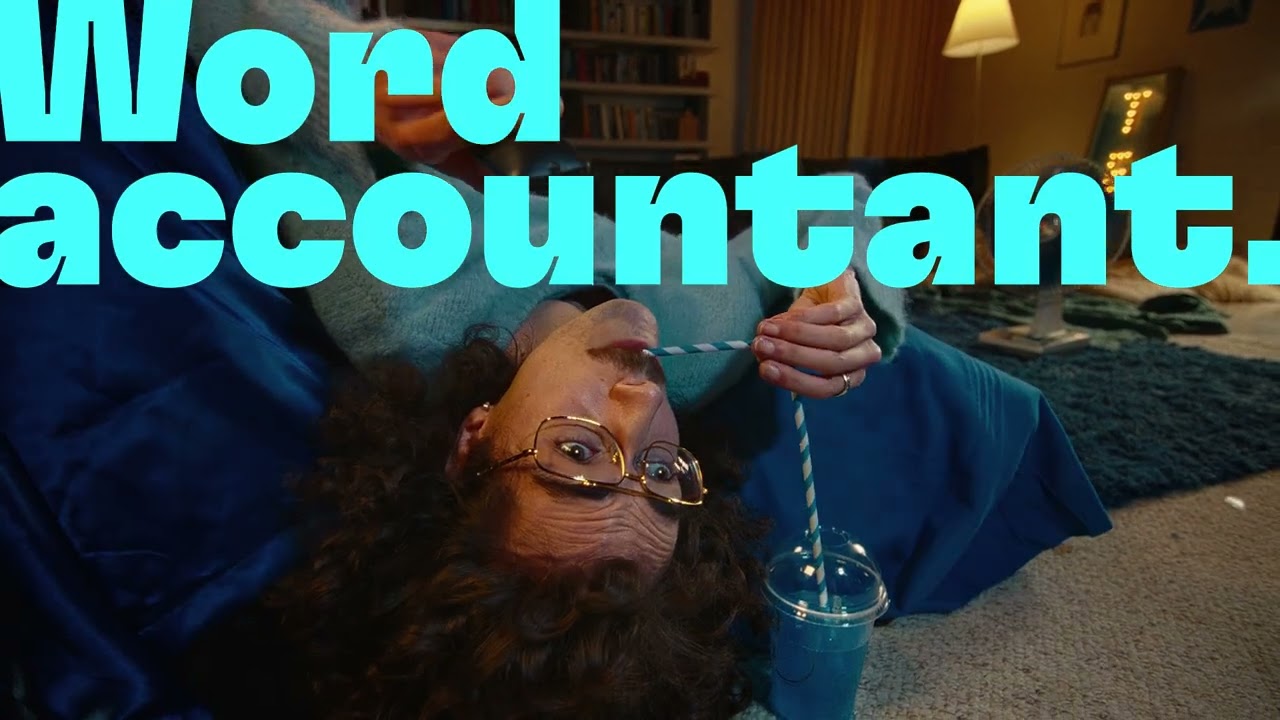
That insight became the foundation for Accountants van Morgen. If young people mainly listen to people — not to institutions or sectors —, then a campaign for a profession shouldn’t be built around the profession itself. It should be built around the young person trying to shape their future.
And let’s be honest: becoming an accountant isn’t exactly high on the bucket list of 18-year-olds. For many, it sounds like a ‘grey’ choice, a rational path and a job with little visible impact. Meanwhile, the labour market is crying out for new talent. That tension can’t be solved with a glossy recruitment campaign.
So, we didn’t start with the sector. We started with conversations with pupils in their final two years of secondary school. We learned that young people don’t choose a degree based on content or job security alone. They look for something that fits the version of the future they picture for themselves. At that age, a study choice is an identity choice. Future, self-image and societal meaning are intertwined.
And that was the challenge. Financial studies rarely fit the ‘meaningful future’ many young people imagine. Not because the impact isn’t there, but because they don’t see it.
So, we flipped the perspective. The accountant wasn’t the main character; the young person was. We didn’t make accountancy prettier than it is, but we reframed it. Traits that once felt uninspiring were viewed through their real value in young people’s lives.
That’s how the profession wasn’t pushed by the sector but discovered from the audience’s point of view. And that’s exactly what made the communication credible. Young people instantly sense when a sector is trying to sell itself. But when they recognise themselves in the starting point, they’re open to revising their assumptions.
This shift in how young people interact with brands is amplified by how platforms work. In the past, reach on social media depended heavily on who you followed. Today, a large share of attention no longer comes from your own network, but from recommendation systems like the For You Page and Explore. The algorithm decides what you see based on your behaviour.
That’s the shift from social media to interest media. Platforms reward content that feels relevant and engaging, whether it comes from a creator, a friend or a brand. A brand video can suddenly reach people who have never consciously followed that brand.
In that environment, you have to earn attention immediately. You’re not just competing with other brands, but with the most addictive, entertaining and relatable content out there. If your message feels like an advert interrupting the feed, you’re done.
If you want to reach young people, you first need to understand how they experience a brand. That’s why social listening is so valuable: it shows how a brand or category is genuinely experienced online, beyond the brand’s own assumptions.
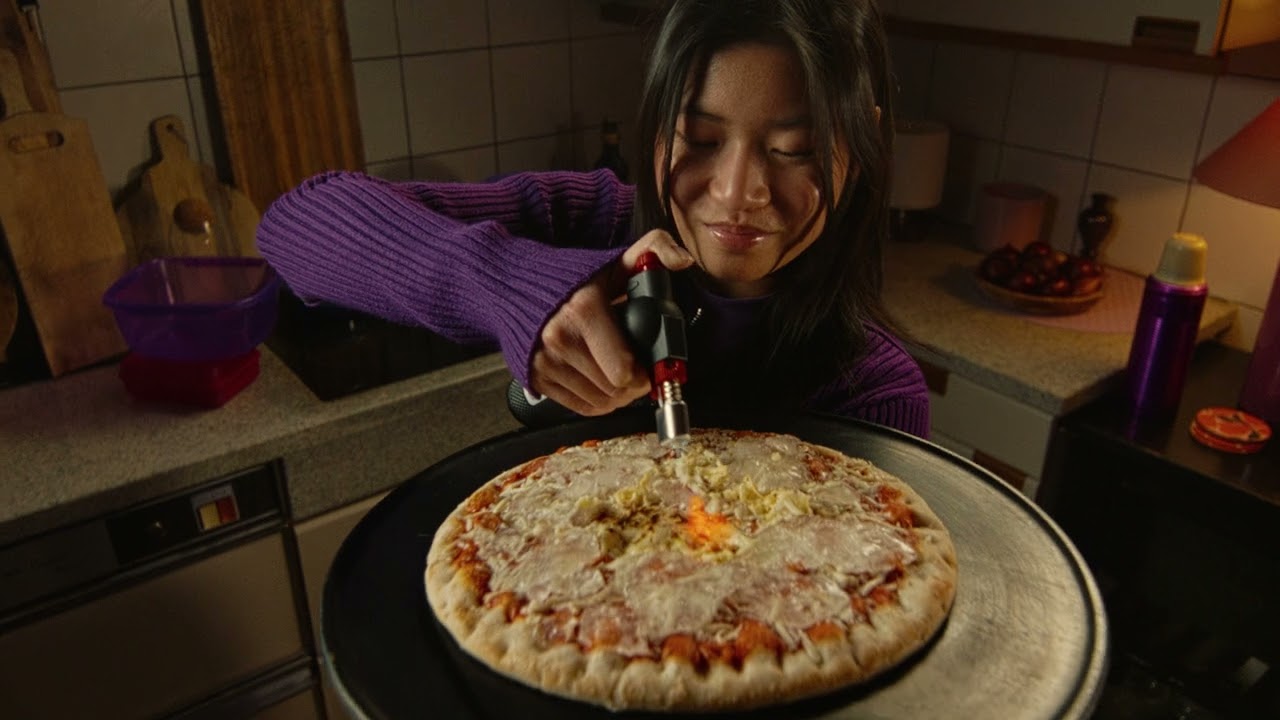
That was exactly the starting point for Wibra. A deep dive into social media quickly made one thing clear: Wibra has real fans online. Ordinary people who spontaneously share their finds, show smart combinations and pass tips to friends. The enthusiasm was already there. It just wasn’t being harnessed yet.
That insight changed the whole approach. No classic influencer campaign where reach and brand mentions are bought. Instead, a community of people who already believe in the brand, carry it and champion it: the Wibsters. They represent the brand in their own way, in their own environment.
The result was a continuous stream of real conversations, recommendations and everyday repetition. Person to person, in a way that fits Wibra’s brand platform.

We believe creativity only becomes truly powerful when it carries across channels and across time. We call that compound creativity: ideas that don’t stop after a campaign but keep growing stronger the more consistently they’re carried through. Not endlessly re-explaining the brand but building recognition.
To reach young people, you need more than one-off content or temporary relevance. Your campaigns need to be more than separate stories. TikTok and Instagram aren’t just channels for random trends and collabs. They’re the places where your brand strategy lands in people’s everyday lives. You’re not there to post occasionally. You’re there to show up recognizably in the world your audience lives in.
For brands like Wibra and BelOrta, social media starts from the same foundation as the rest of the brand. The creative platform takes a form that fits the medium, while staying true to the same brand story. That creates relevance in the moment, but also recognition over the long term.
And that’s crucial. Young people see straight through communication that’s simply trying to ‘join in’. They can smell greenwashing a mile off and they’ll spot coolwashing just as fast. A brand that suddenly tries to sound young or jumps on trends without a clear link loses credibility.
What does work is understanding how your brand genuinely connects to what’s happening in culture. Not every cultural moment is an opportunity. Not every creator is a fit. Young people expect a brand that knows itself and joins the conversation from that place.
Communicating to young audiences doesn’t start with formats, platforms or campaigns. It starts with a real understanding of their world: how they think, what they feel, who they follow and how they consume information. That’s how you create communication young people genuinely recognise themselves in.
At the same time, the brand foundation still matters. Precisely because young people are so sensitive to authenticity, everything you do has to fit the bigger story of your brand. Credibility isn’t built by trying to look relevant. It’s built by consistently showing what you stand for.
People are the new brand. Not because brands disappear, but because brands only become meaningful through people. Through faces, voices and communities. In a world where everyone fights for attention, the brand that wins is the one that feels most human and manages to express that humanity in its own way.


